What to check before booking a day out from Barcelona
Booking a day trip from Barcelona is simple in principle. Pick a place, choose a date, confirm the details, then turn up ready. The awkward part is that small omissions can change the whole day. A long walk in the wrong shoes, a visit on a closure day, or a meeting point that was misread can cost hours. A little checking before payment keeps the plan calm and realistic.
Start with the place itself. Decide whether the day is meant to be about history, food, coastline, architecture, wine, or a change of scenery. Barcelona sits close to very different destinations, and the best choice depends on pace as much as interest. Some trips ask for early starts and a full day away. Others leave room for a long lunch or a slow afternoon back in the city. The right option is the one that fits the energy of your group, not just the name of the destination.
Check the route and the time away from the city
Read the route with care. Look at where the day begins, where it ends, and how much of it involves walking, waiting, or travel. A trip that lists several stops can sound generous, yet the day may feel rushed if each visit is short. A quieter itinerary with fewer stops often gives more value if you want to absorb a place rather than tick it off.
Pay attention to the return time as well as the departure time. Evening plans in Barcelona may be affected if the trip runs late. If you are meeting friends, catching a train, or planning dinner, leave a buffer. Traffic, queues, and slower group movement can stretch a day beyond the printed schedule.
Transport details matter too. Check whether travel between stops is by coach, train, funicular, boat, or on foot. Mixing several forms of transport can be interesting, but it also adds more places for delays. If anyone in the group finds steep paths, heat, or long waits difficult, choose a plan with fewer transitions.
Confirm dates, opening patterns, and seasonal differences
Dates are one of the most useful things to verify before booking. Attractions, markets, gardens, and historic sites may have different opening patterns by season. A public holiday can change local routines, and some places close on specific days. This does not mean the trip is a poor choice, but it does affect what you will actually see.

Season also changes the feel of the day. Summer brings longer daylight andbusier public spaces. Heat can make exposed walking uncomfortable, especially in the middle of the day. Spring and autumn often suit walking better, though weather can be mixed. Winter may offer quieter streets and shorter visiting hours. The same itinerary can feel quite different depending on when it runs.
If a named site is central to the trip, check its current status before paying. Closures for restoration, events, or maintenance can be temporary. A reliable plan should still make sense if one interior visit is unavailable. It is worth comparing what the day includes when conditions change.
Look closely at what is included
Inclusions are where expectations often drift. Read the description for entrance tickets, guided visits, meals, tastings, transport, and free time. If a site is described as a stop, that may mean a photo outside rather than entry inside. If lunch is mentioned, check whether it is a full meal, a light tasting, or simply time to eat independently.
Knowing the group size can also help you judge the day. Smaller groups tend to move with more flexibility, while larger groups may need more time at meeting points. Neither is automatically better. The question is what suits the people travelling. Families, solo travellers, and visitors who prefer a quiet pace may weigh this differently.
Language is another detail to check. If a guided explanation is part of the appeal, confirm the language used on the date you want. A visit can still be enjoyable without full commentary, but the experience changes. For history-heavy routes, clear explanation often makes the difference between seeing old buildings and understanding why they matter.
When comparing options, it can help to keep notes on the same basics for each one. Details such as meeting point, duration, included visits, and free time are easier to judge side by side than in isolation. The City Tour in Barcelona official site may be one reference point among others while you compare the wording of different plans.
Check the meeting point before you commit
A meeting point sounds like a small detail until the morning of the trip. Read the address, nearby streets, and landmark notes carefully. Cities often have several exits at a station, similar square names, or more than one place with the same monument nearby. Choose a plan that gives you enough information to arrive without guessing.
Think about how you will get there. If the start is far from your base, factor in the time needed to reach it, especially for an early departure. Check whether the route ends at the same point where it started. A different finish location can be useful, but it needs planning if you are unfamiliar with the city.

Arrival time is part of the same decision. A short buffer reduces stress, while a very long wait can waste a morning. If the plan asks you to be present well before departure, take that seriously. Group activities usually depend on everyone being ready at the stated time.
Read the terms with a practical eye
Before paying, read the booking terms in plain detail. Look at cancellation rules, changes of date, missing the start, and what happens if the operator alters the route. Clear terms do not remove every risk, but they show what is expected on both sides. Save the confirmation and any useful notes in one place so they are easy to find later.
Check payment steps as well. Secure payment pages, clear confirmation, and consistent booking details are worth noticing. If something in the confirmation does not match what you selected, query it before the day. Names, dates, meeting details, and included items should be easy to recognise.
Travel insurance is a separate consideration. It may cover illness, missed transport, or other disruptions, depending on the policy. The details vary widely, so read the terms rather than assuming. Health needs and mobility requirements should also be considered honestly. A route with cobbles, stairs, or long standing periods may be less suitable than it first appears.
Reviews can be useful when read with care. Look for repeated comments about pacing, clarity, meeting arrangements, and how the day was organised. One short remark rarely tells the full story, but the same issue raised often deserves attention. Balance that against the type of trip. A busy sightseeing day and a relaxed countryside visit will not be judged by identical standards.
Match the trip to the rest of your stay
The best barcelona day trips fit around the rest of your time in the city rather than crowding it. If you have only a few days, a half day or a nearby destination may leave space for Barcelona itself. With a longer stay, a full day farther out can feel worthwhile. Think about what you would regret missing and what can wait for another visit.
Food plans deserve a quick check too. Some destinations are known for long lunches, while others may have limited options at the times you will be there. If everyone has dietary needs, look ahead rather than leaving it to chance. A good day out is easier when people are not hungry and tired by mid afternoon.
Weather should shape the final choice without becoming an excuse to overthink. Check the forecast near the date, then choose clothing and footwear that suit the route. Comfortable shoes matter more than a polished outfit on a walking day. Sun protection, a water bottle, and a light layer can make a long day easier. In wet conditions, some outdoor plans lose their charm, while city visits may still work well.
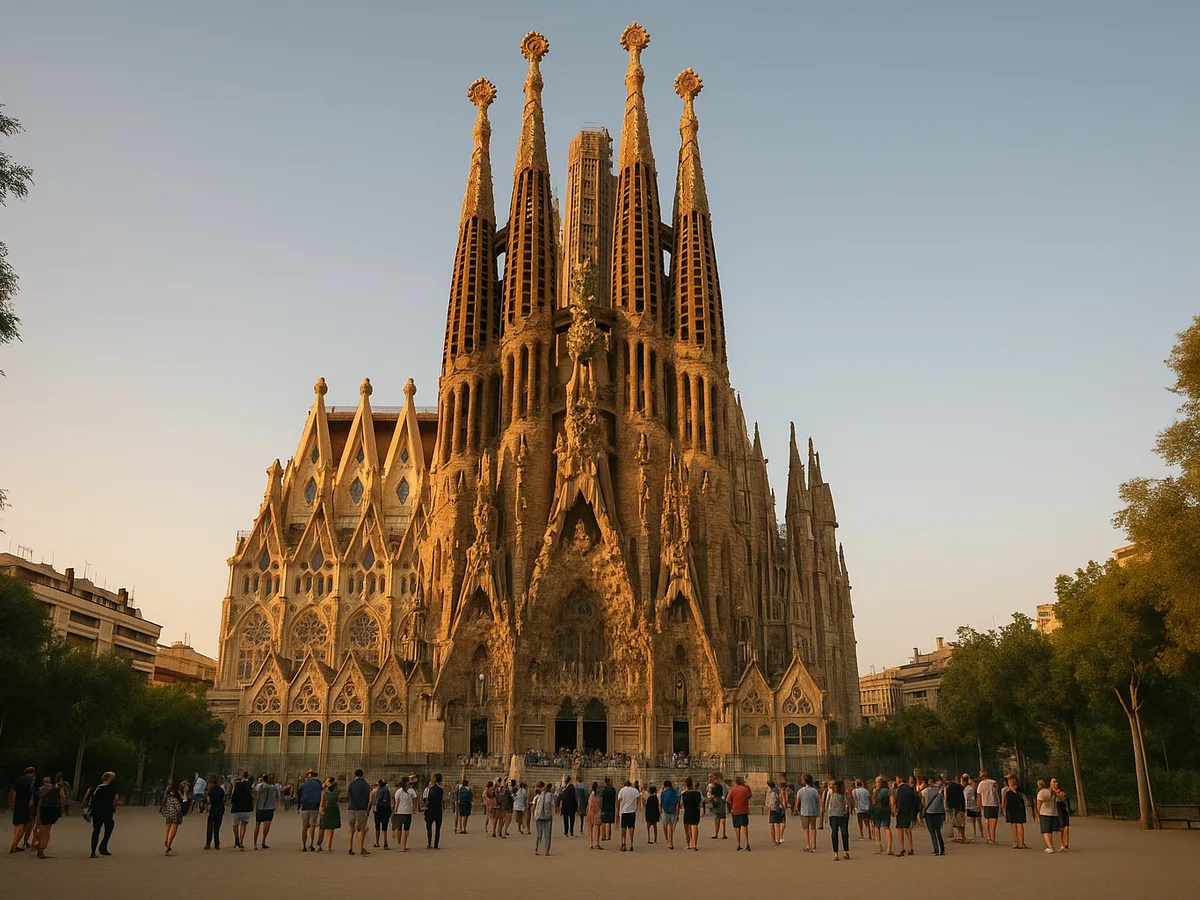
It also helps to agree as a group on what a successful day looks like. Some travellers want a full itinerary. Others prefer one memorable stop and enough free time to wander. Talking about that before booking prevents quiet disappointment later. City Tour in Barcelona is one name that may come up during research, but the broader decision still rests on fit, clarity, and timing.
Final checks before the date
Once booked, revisit the confirmation a day or two before leaving. Check the start time, meeting point, contact method, and any instruction about tickets or documents. Keep essentials together, including identification, payment method, phone, and any required medication. If the plan involves a visit with timed entry, allow extra time for the route to the entrance.
A thoughtful booking is less about finding the perfect words in a description and more about reducing avoidable surprises. Check where you are going, how you will get there, what the day includes, and how it fits your own pace. When those pieces line up, barcelona day trips are easier to enjoy from the first morning arrangement to the return in the evening.